 Skip to content



Diwali Ethnic Wear Trends for Women in 2026
Trying to figure out what to wear this Diwali? This year it's co-ord sets, lighter sarees, sharara sets, and prints doing the work that sequins and zari used to. Here's what's actually trending for 2026, and which piece fits which part of your festival calendar.
1. Co-ord sets are the easiest outfit decision
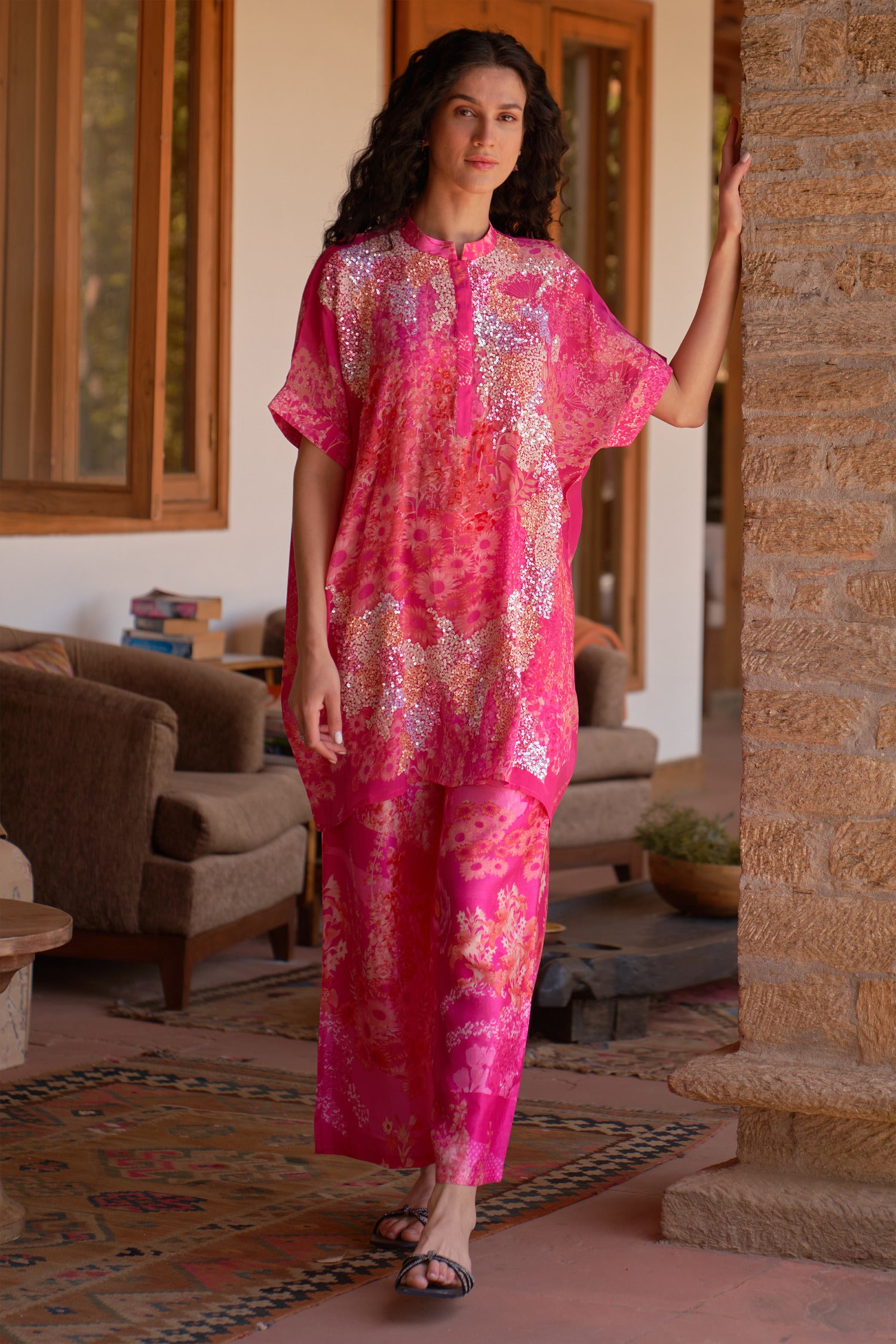
A co-ord set is a top and bottom cut from the same fabric, so the matching is already sorted. That's basically why it's become the default Diwali pick — you can sit through a long dinner, help in the kitchen, or dance at a friend's party without babysitting a dupatta all night. The Orange Moroccan Coin Yoke Co-ord Set and Navy Moroccan Coin Yoke Co-ord Set go bold with print, while the Rose Orchard Co-ord Set is softer and more floral.
2. Sarees are back, but lighter
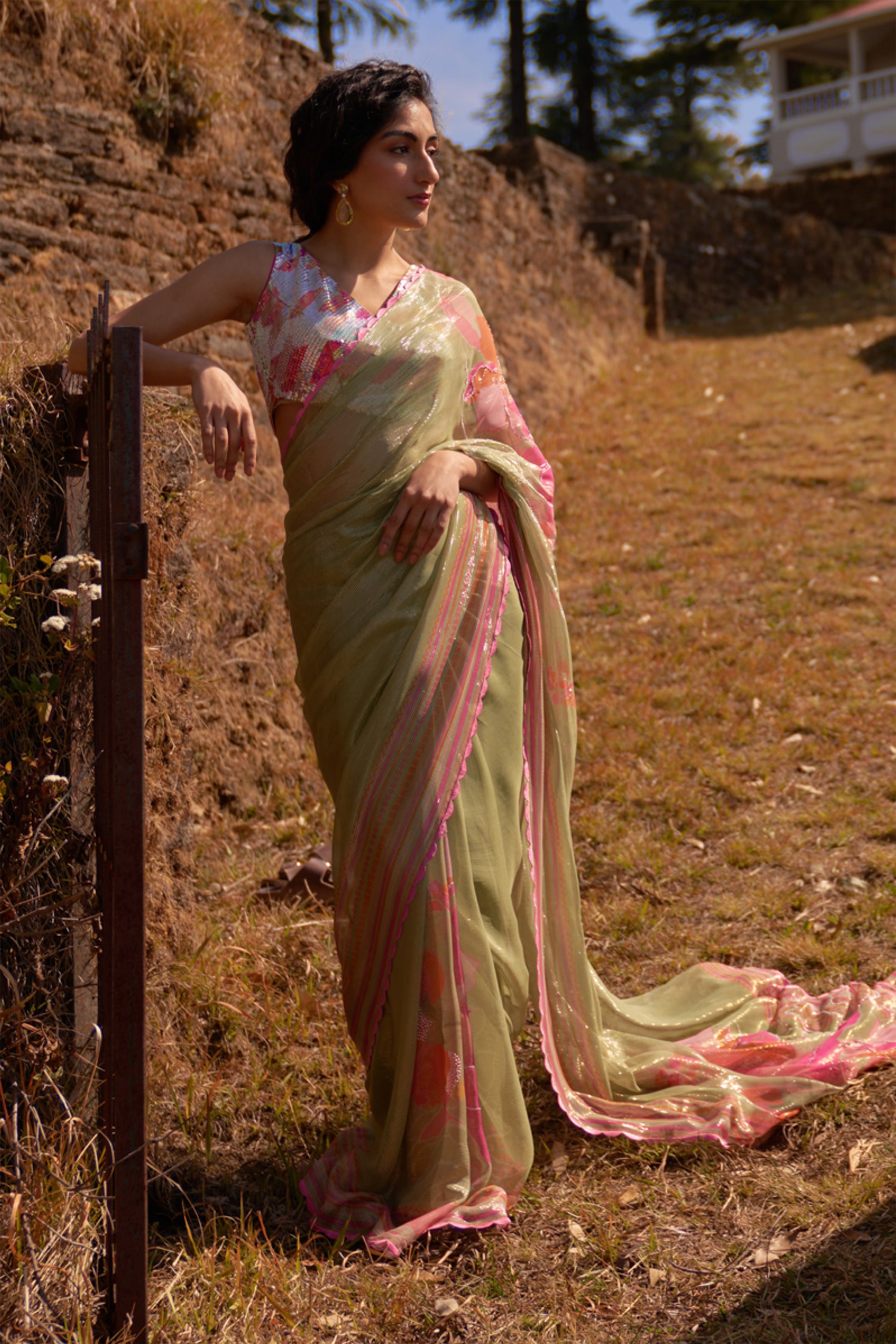
Sarees never left, honestly, but the ones people are actually buying this year are noticeably lighter than the heavy zari-and-silk drapes from a few years ago. More artistic prints and soft shimmer, less dense embroidery. The Blush Veil Saree and Gaze Saree suit an evening puja fine, while the Orange Moroccan Shimmer Saree and Blazing Saree have enough shine for a party without leaving you exhausted six hours in.
3. Colour is doing the heavy lifting
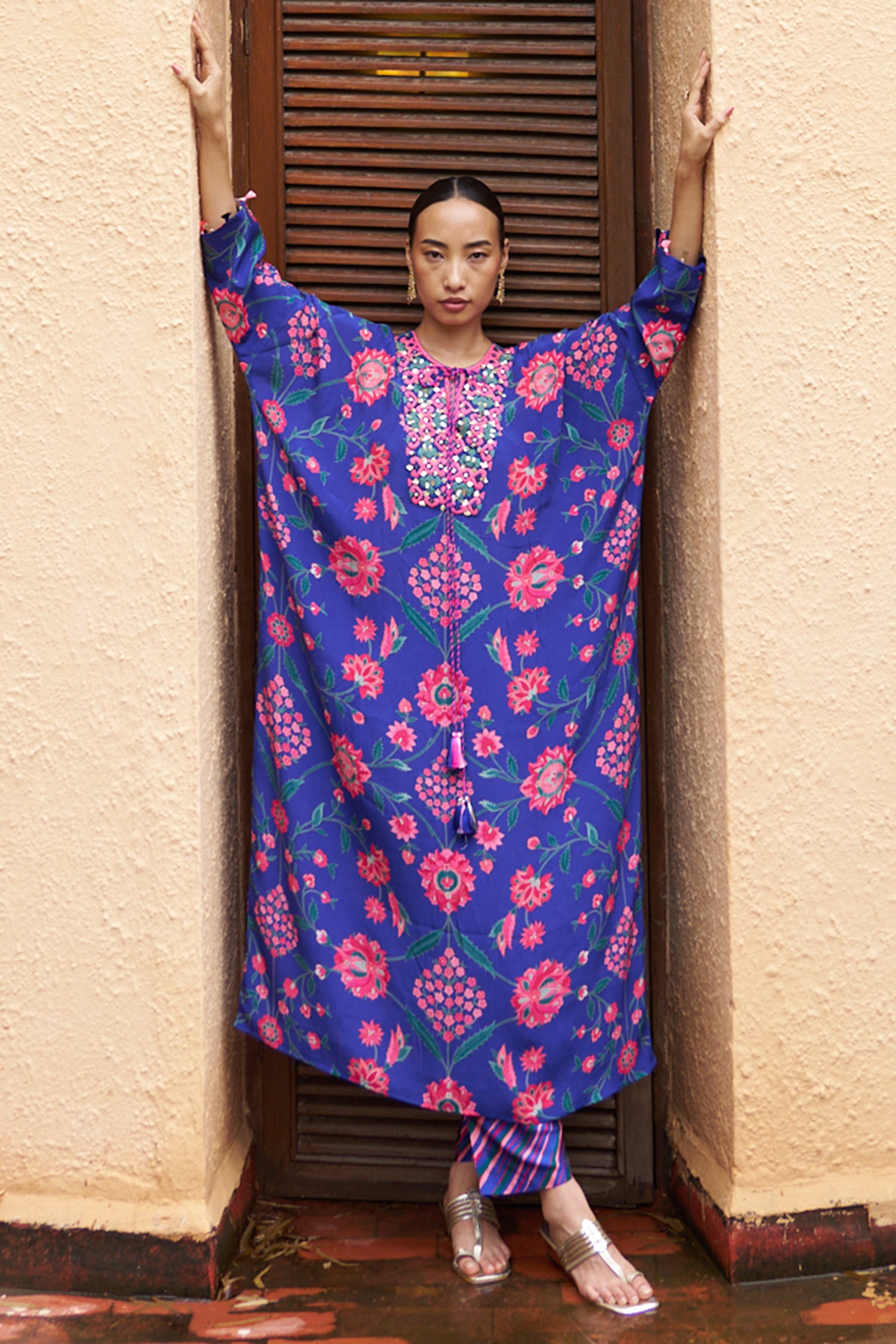
Instead of piling on embellishment, a lot of this year's festive pieces lean on colour instead: oranges, pinks, deep blues, warm florals. Saturated shades photograph and read better under diya and fairy-light glow than pale or heavily sequinned fabric, which is worth knowing if your evening involves a lot of phone cameras.
4. Shararas are having a real moment again
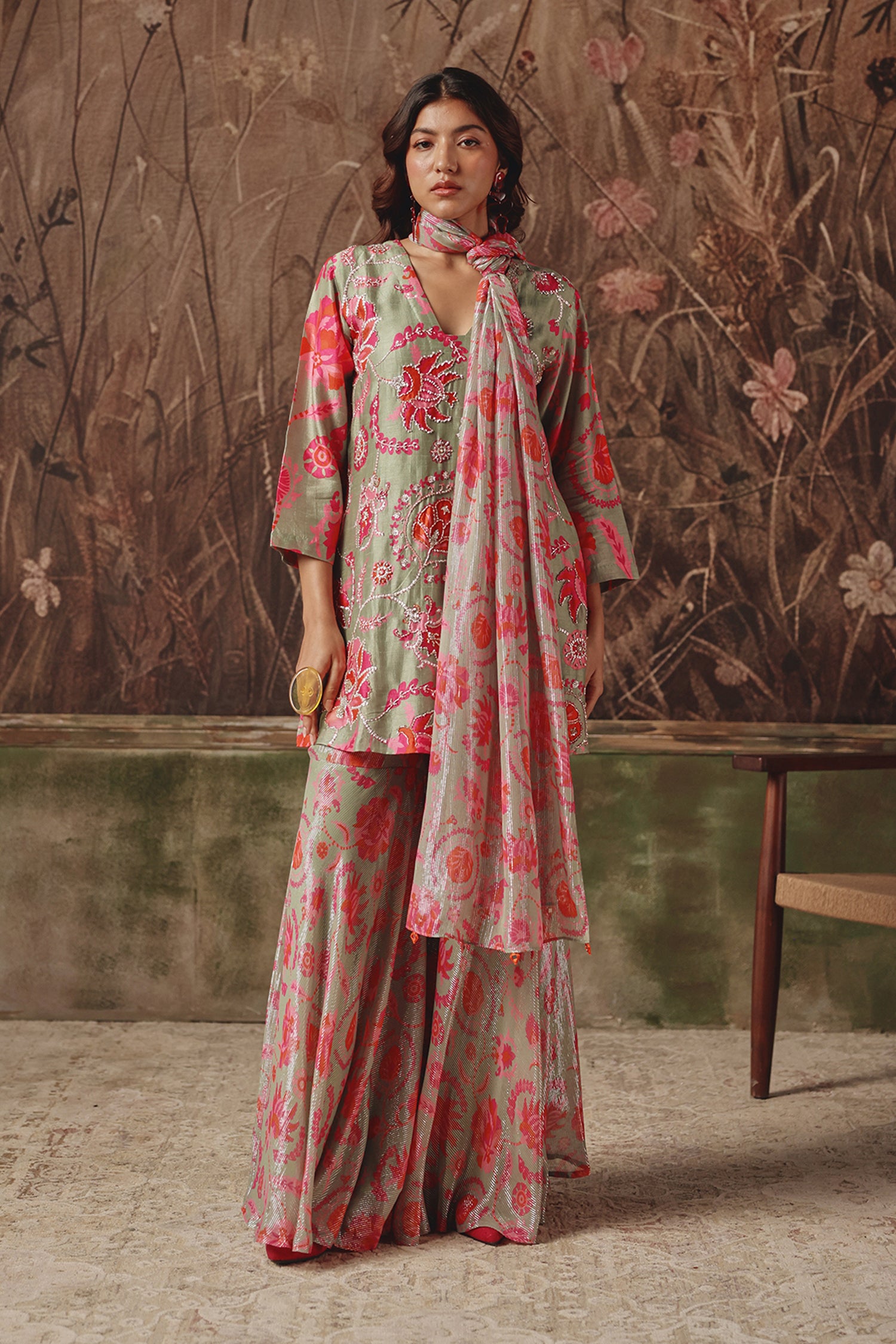
The flared, wide-legged sharara is back in festive rotation, and it makes sense for Diwali specifically: it gives you room to move through aartis, greetings, and dancing without the outfit fighting you. The Coral Flower Sharara Set keeps things classic, while the Pink and Orange VV Halter Neck Sharara and Blue and Pink VV Highlight Sharara skip the dupatta drape with a halter neckline instead, which is one less thing to manage in a crowded room.
5. Prints are replacing heavy embellishment
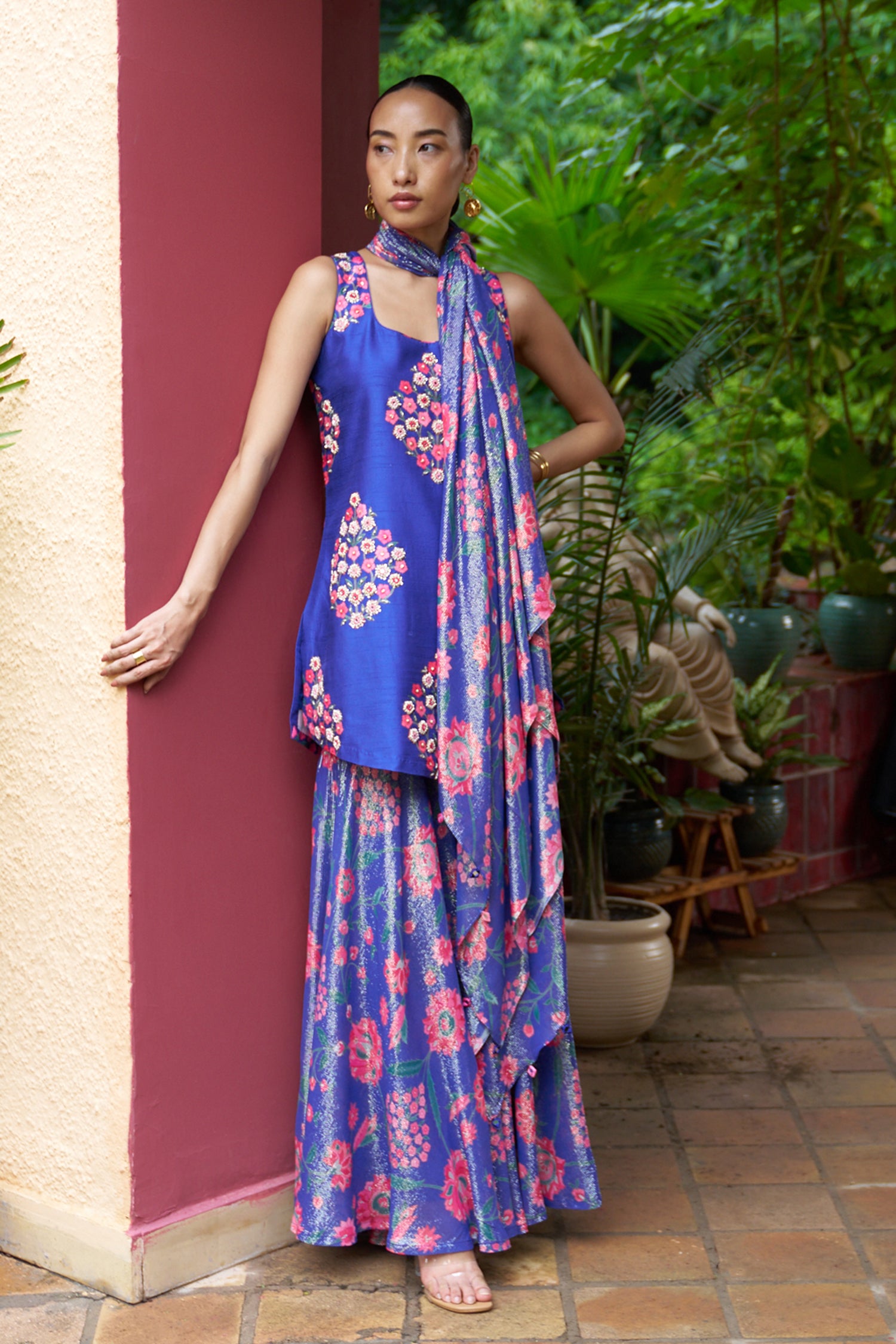
Painterly florals and heritage-inspired motifs are edging out sequins and stonework this year. Part of the appeal is practical: a printed outfit doesn't shed on your car seat or your host's sofa, and it packs down small enough to carry along if you have a second or third Diwali party the same week.
6. Suit sets are still the safest bet
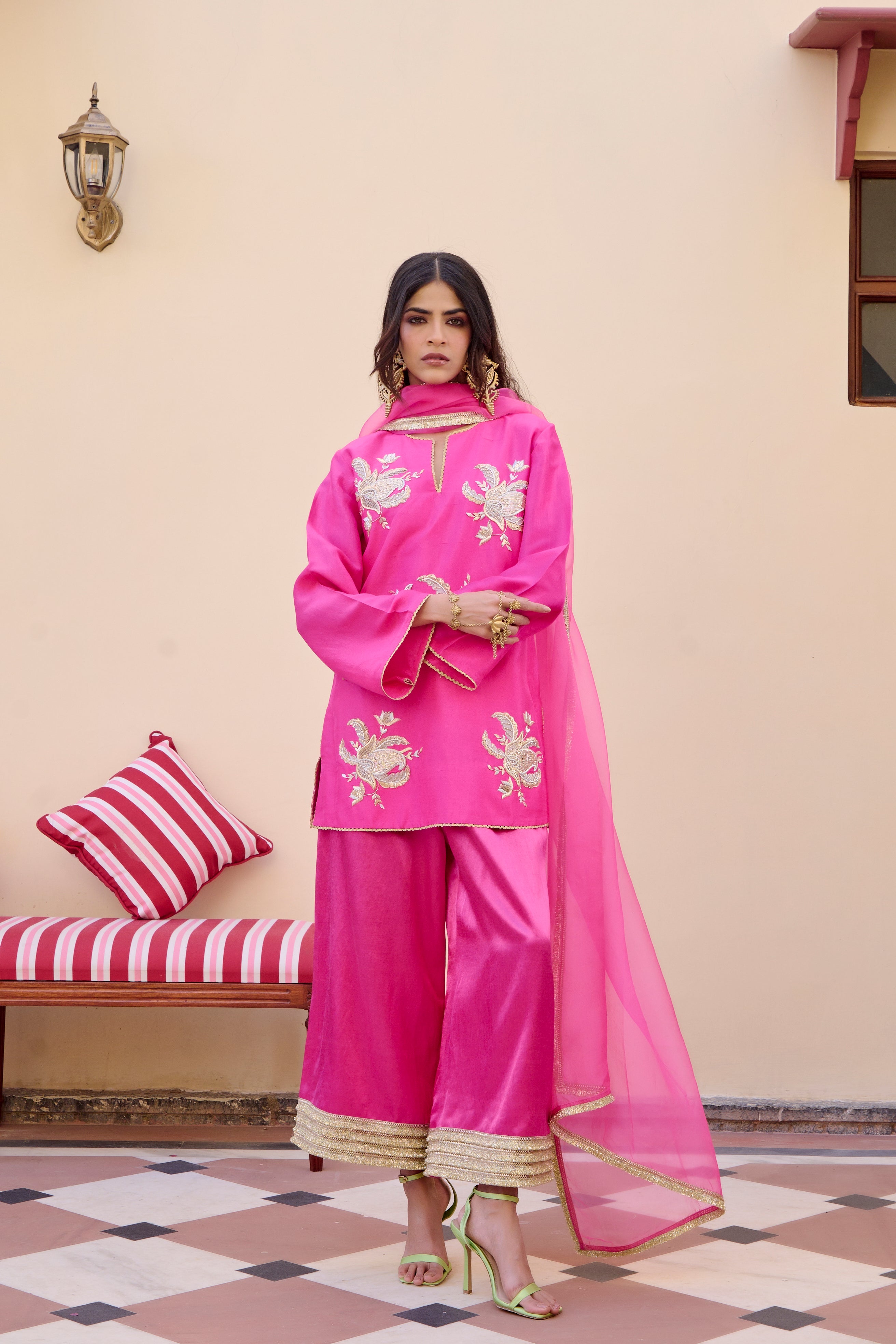
A kurta, bottom, and dupatta set remains one of the most reliable ways to dress up without overdoing it, and it moves easily from a daytime puja into an evening dinner. The Reign Suit Set and Lilac Garden Suit Set both hold that middle ground between festive and comfortable.
7. Making one outfit stretch further
Diwali usually runs across several days, from Dhanteras through Bhai Dooj, and not everyone wants five new outfits to get through it. A lot of women are buying one or two strong pieces instead and changing the jewellery, footwear, or dupatta to make each event feel different. It's cheaper, and honestly, more realistic.
8. Traditional techniques, newer cuts
Bandhani, block printing, and hand embroidery haven't disappeared. They've just moved onto silhouettes that feel current, like co-ords and shararas, instead of heavier, structured lehengas. The craft stays the same. The shape around it has changed.
9. Comfort is no longer an afterthought
Nobody wants to sit through hours of rituals and dinners in something stiff. Softer fabrics like georgette and cotton-silk blends, and unlined or lightly structured bodices, are showing up more than boned, heavily interlined pieces. Comfort has quietly become as much of a deciding factor as how an outfit photographs.
10. Buying fewer, better pieces
Rather than a single-use Diwali outfit, more women are treating festive shopping as an investment: a saree or co-ord that also works for a friend's wedding in December, or a suit set dressy enough for Diwali but calm enough for a work event later. Cost per wear matters more than it used to.
FAQs
Q1. What are the top ethnic wear trends for Diwali 2026?
A: Co-ord sets, lightly embellished sarees, sharara sets, and print-led festive wear are leading this year, with a general shift away from heavy embroidery toward comfort and versatility.
Q2. Is heavily embellished clothing still popular for Diwali?
A: Not as much as before. Women are moving toward artisanal prints and lighter embellishment that still look festive but don't add bulk or weight to the outfit.
Q3. What's the most versatile Diwali outfit for 2026?
A: Co-ord sets and suit sets are the most versatile, since they can be restyled with different jewellery or footwear and worn again for other celebrations beyond Diwali.
Q4. Are sarees still trending for Diwali celebrations?
A: Yes, though the styling has shifted toward lightweight drapes and contemporary prints rather than traditional heavy zari or embroidery work.
Q5. What colours are trending for Diwali 2026?
A: Rich oranges, vibrant pinks, deep blues, and luminous florals are the standout palettes this year, chosen for festive energy that still works beyond the season.
Q6. Can I wear ethnic wear to work during Diwali?
A: Yes, many workplaces welcome festive ethnic wear during Diwali, especially structured suit sets or co-ord sets that read as smart-casual rather than overly ornate.
Q7. What is fusion wear in the context of Diwali fashion?
A: Fusion wear combines traditional Indian silhouettes with contemporary cuts or Western elements, such as a co-ord set styled with a crop top and skirt, or a saree with a structured blouse.
Q8. What fusion styles are trending for Diwali 2026?
A: Co-ord sets, cape-layered outfits, and pre-draped sarees with modern blouses are among the most popular fusion styles this season.
FAQs
Q1. What are the top ethnic wear trends for Diwali 2026?
A: Co-ord sets, lightly embellished sarees, sharara sets, and print-led festive wear are leading this year, with a general shift away from heavy embroidery toward comfort and versatility.
Q2. Is heavily embellished clothing still popular for Diwali?
A: Not as much as before. Women are moving toward artisanal prints and lighter embellishment that still look festive but don't add bulk or weight to the outfit.
Q3. What's the most versatile Diwali outfit for 2026?
A: Co-ord sets and suit sets are the most versatile, since they can be restyled with different jewellery or footwear and worn again for other celebrations beyond Diwali.
Q4. Are sarees still trending for Diwali celebrations?
A: Yes, though the styling has shifted toward lightweight drapes and contemporary prints rather than traditional heavy zari or embroidery work.
Q5. What colours are trending for Diwali 2026?
A: Rich oranges, vibrant pinks, deep blues, and luminous florals are the standout palettes this year, chosen for festive energy that still works beyond the season.
Q6. Can I wear ethnic wear to work during Diwali?
A: Yes, many workplaces welcome festive ethnic wear during Diwali, especially structured suit sets or co-ord sets that read as smart-casual rather than overly ornate.
Q7. What is fusion wear in the context of Diwali fashion?
A: Fusion wear combines traditional Indian silhouettes with contemporary cuts or Western elements, such as a co-ord set styled with a crop top and skirt, or a saree with a structured blouse.
Q8. What fusion styles are trending for Diwali 2026?
A: Co-ord sets, cape-layered outfits, and pre-draped sarees with modern blouses are among the most popular fusion styles this season.


