 Skip to content



Diwali Outfit Ideas for Women: 10 Elegant Looks for the Festive Season
The standard Diwali outfit guide assumes you're dressing for a single moment — usually a well-lit evening with good photography. Real Diwali involves a morning puja in which you're on the floor, an afternoon with relatives who arrive three hours early, and a night that stretches past your planned bedtime. The outfit actually needs to work.
What's shifted this season is the weight — or rather, the lack of it. The looks worth paying attention to are lighter, built around print and colour rather than embroidery and stonework, and designed to last a full day without becoming a burden. Here are ten worth knowing.
Jewel-toned kurta sets
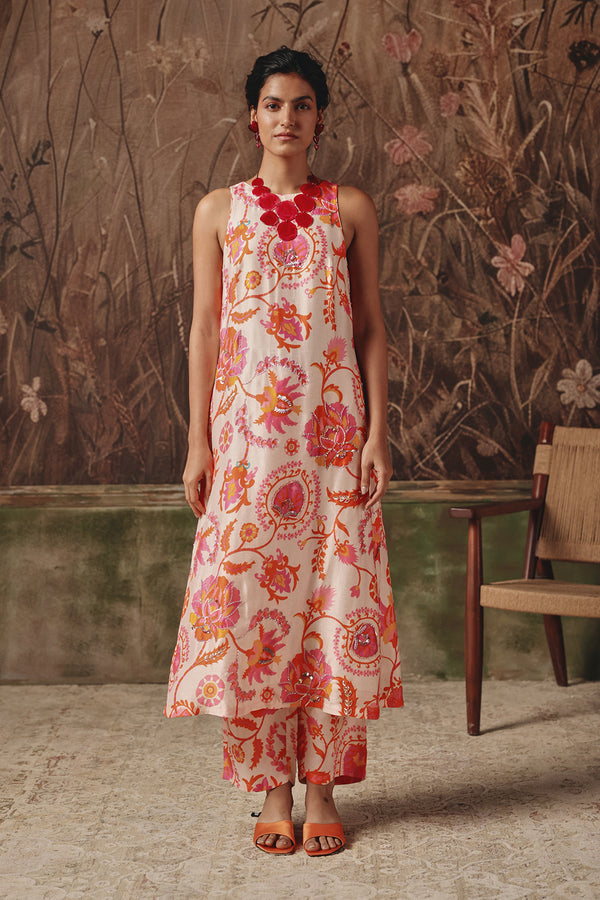
Deep colours earn their place in a Diwali wardrobe partly because they don't date. The Jade Parable Kurta Set is built around a jewel green that reads festive without trying — the colour does the work so the rest of the outfit doesn't have to. It's fluid enough for a long family dinner, which matters more than people admit when they're picking out clothes in the afternoon.
The practical reason jewel tones work year after year: they photograph well under warm indoor lighting, which is exactly what most Diwali evenings involve.
Floral prints for afternoon functions
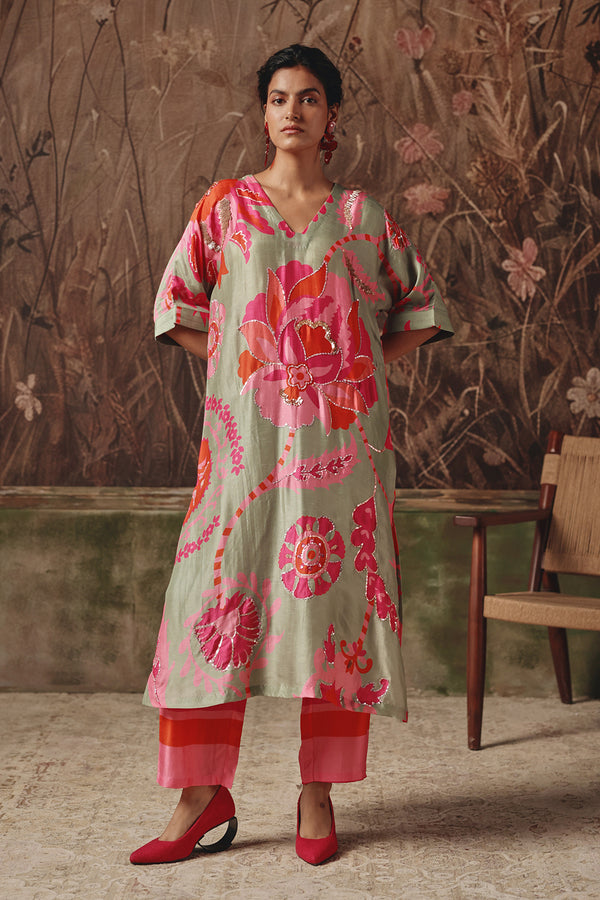
Afternoon Diwali dressing is genuinely harder than evening dressing, because the rules are less clear. Too casual and it looks like you didn't bother. Too formal and you're overdressed at noon with hours still ahead of you. A floral kurta sits in that gap. The Meadow Oracle Kurta Set works here — the print reads festive, the silhouette keeps things easy, and there's no embroidery making you second-guess the formality level.
Crimson Bloom Kurta Set
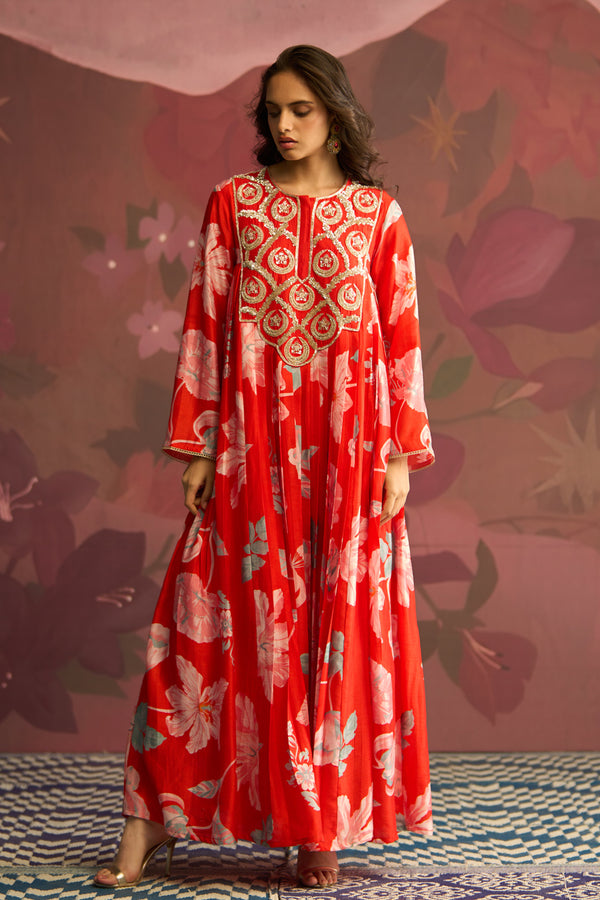
Red for Diwali is almost too obvious. The Crimson Bloom earns it anyway. The kurta silhouette stops it from reading as costume dressing — which is the actual risk with saturated festive colours — and the cut is relaxed enough to wear from morning puja through to evening without second-guessing yourself. It's the low-effort, high-return pick on this list.
Sage Bloom Kurta Set
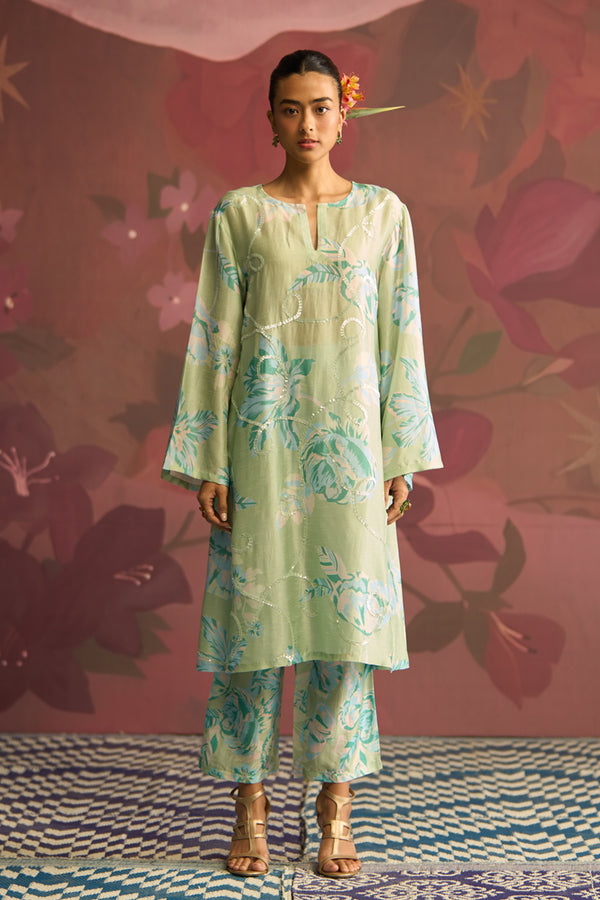
Muted sage with floral detailing — genuinely easy to wear all day without regretting it by 3 pm. The colour doesn't compete with everyone else's brighter festive looks, which is actually useful when you're hosting and want to look considered without becoming the most visually loud thing in the room. If you're on your feet all afternoon, this is the practical choice.
Verdant Pleated Anarkali Set
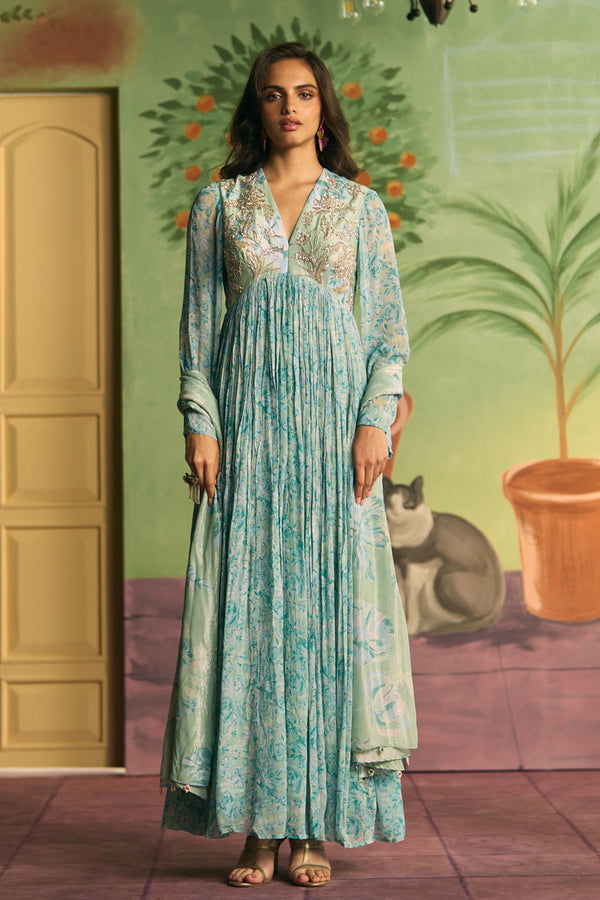
A good Anarkali is one of the few festive silhouettes that works for both sitting on the floor during puja and standing at an evening gathering — the pleating gives enough structure to read as occasion wear, but the fabric moves well enough that you're not managing it all night. This one in particular holds its shape without feeling stiff. Hard to find a stronger all-day option at this level of formality.
Blush Veil Saree
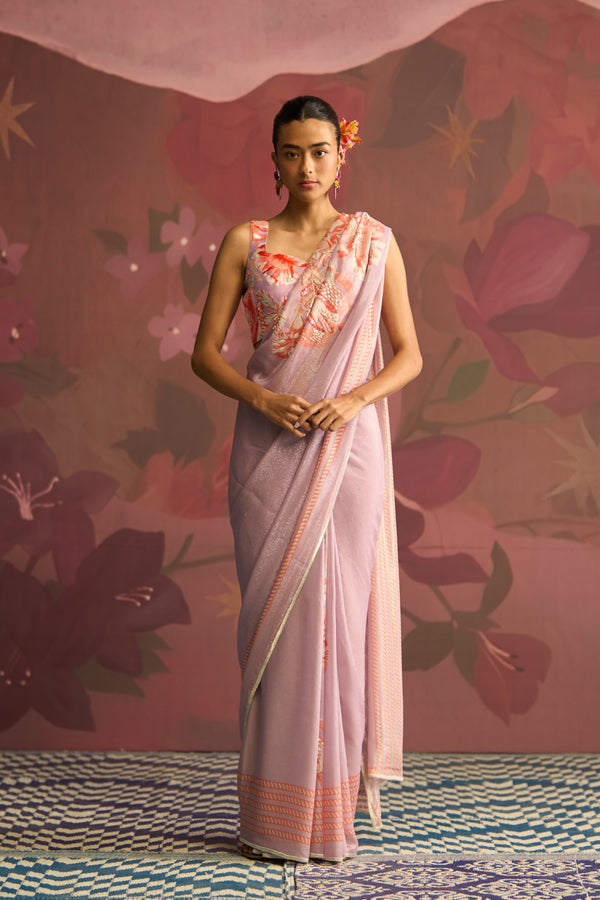
Lightweight georgette sarees for Diwali get overlooked in favour of heavier silks, which is usually a mistake unless you're experienced with saree dressing. The Blush Veil drapes easily, doesn't need constant readjusting through the evening, and the soft blush colour sits well for puja without looking washed out under indoor lighting. If you wear a saree maybe twice a year, this is the type to reach for — less logistical overhead than it looks.
Sage Drape Saree
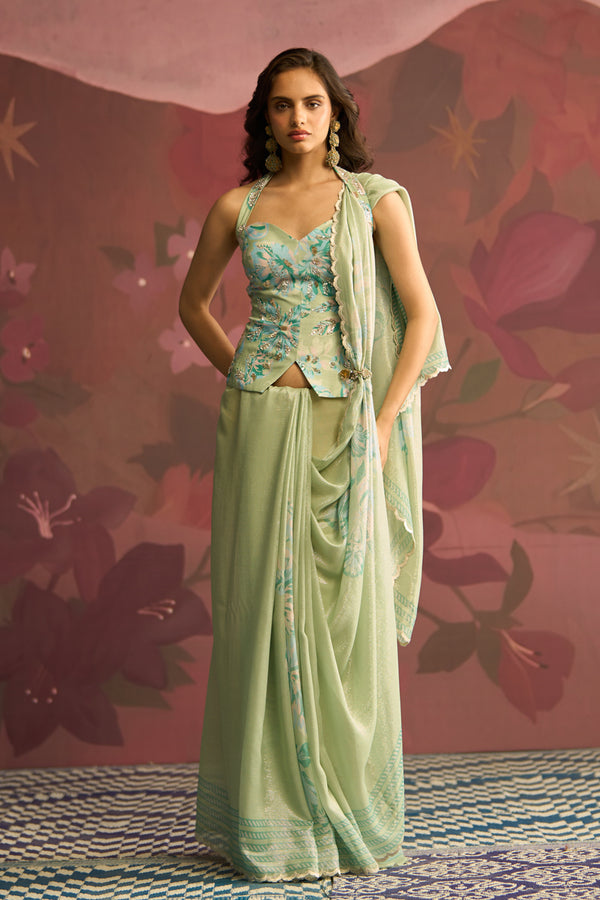
Doesn't try to look traditionally traditional or pointedly modern — it just sits right. The sage colour works for Diwali without competing with everything else in the room, and the construction means the drape holds without needing constant attention. For women who want a saree that feels current without making a point of it, this is the easy answer.
Sage Bloom Kaftan
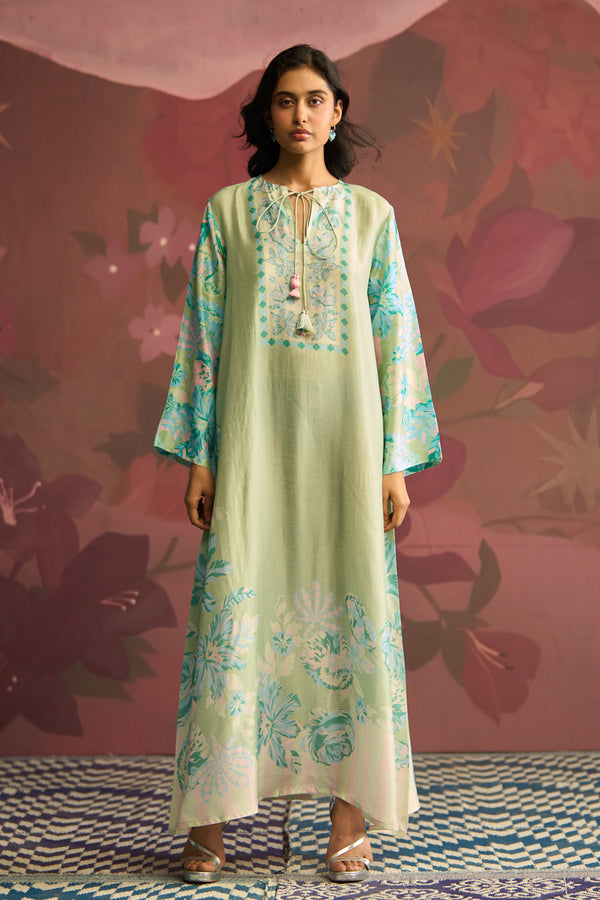
Hosting Diwali is a different job than attending it. You're managing food, guests, the pooja setup, and whichever relative arrived two hours early. The Sage Bloom Kaftan is the practical call — it looks like you got dressed intentionally, the print is genuinely festive, and you can actually bend down and move around. By 9 pm you'll be glad you didn't opt for the structured lehenga.
Peach Mint Garden Suit Set
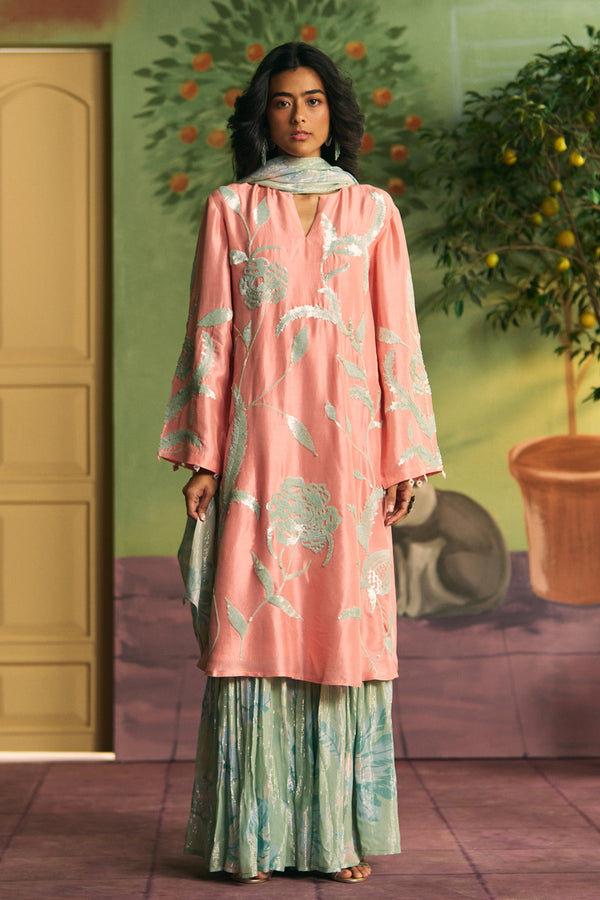
The middle-ground option that most guides skip past in favour of sarees and lehengas. More dressed-up than everyday, less committed than full occasion wear. Useful for afternoon visits, smaller celebrations, or any Diwali event that doesn't quite call for a saree but still needs you to look like you tried. Moves into evening without adjustment, which is genuinely useful when the day runs long.
Co-ord Set
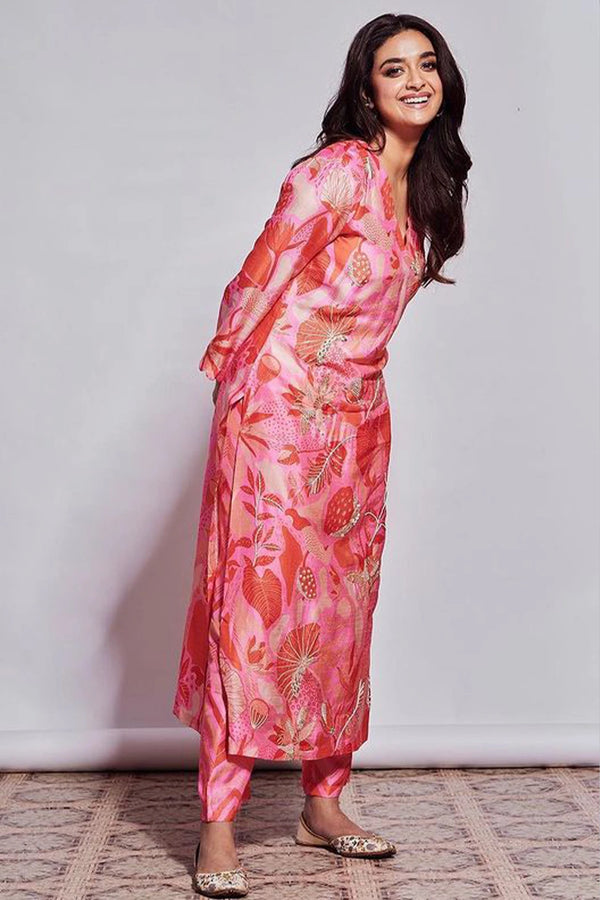
Co-ords work for Diwali, but they need help. The same set with flat sandals and no jewellery is a brunch outfit. With a statement earring, embellished juttis, and a bindi, it's a Diwali outfit. That's the real difference between this and a more traditional silhouette — a saree or Anarkali carries the occasion weight on its own. A co-ord needs you to do that work through styling. Neither is better; they just ask different things of you.
How to choose
It mostly comes down to two things: what time of day it is, and whether you're hosting or attending.
Morning and afternoon favour lighter choices. Floral prints, softer colours, something you can sit in. You don't have to be underdressed — but a full Anarkali at 11am is more outfit than the occasion usually asks for.
Evening is when the deeper colours make sense. Jewel tones, sarees, more structured silhouettes. The light is different, the energy is different, and the clothes should be too. Just watch the accessories — a bold print plus layered jewellery tends to cancel itself out.
If you're hosting, pick comfort early and don't second-guess it. A kaftan or suit set that you can move around in for six hours beats a more elaborate outfit that you're managing from the moment you put it on. Guests notice when the host looks at ease. They notice when she doesn't.
The Diwali outfits that stick in people's memory are rarely the heaviest ones. Usually they're just the right choice for the room.
FAQs
Q1. What should I wear for Diwali puja if I'm also hosting guests all day?
A: The puja requirement and the hosting requirement are actually in tension. Puja asks for something modest and floor-friendly. Hosting asks for something you can move around in for six hours without managing it. A heavily embellished lehenga falls both. The practical answers here are either a kurta set-the Sage Bloom is specifically good for this, muted enough for puja and relaxed enough for a full afternoon or a kaftan if you want maximum mobility. Neither will photograph as dramatically as an Anarkali, but you'll still be standing upright by 9 pm, which matters more than most people admit when they're picking outfits the day before.
Q2. I wear a saree maybe once or twice a year. Which one is actually manageable for a full Diwali day?
A: Fabric is the thing most occasional saree wearers don't think about until it's too late. Heavy silk and stiff weaves require constant readjusting and don't forgive a loose pin. Lightweight georgette and softer drape fabrics are far more forgiving-the pleats fall more naturally, and the whole thing holds together with less effort. Both the Blush Veil and the Sage Drape are in that lighter category. The Blush Veil is the softer, more traditional-looking option-good if you're doing puja and want the colour to read appropriately. The Sage Drape is a bit more contemporary if you're spending the evening at a gathering. Either way, go lighter on fabric weight if you're not draping sarees regularly. A heavy silk on a long Diwali day is a commitment most people regret.
Q3. Can a co-ord actually work for Diwali, or does it always end up looking too casual?
A: It can work, but it won't carry the occasion on its own-which is the honest difference between a co-ord and a more traditional festive silhouette. A saree or Anarkali reads as occasion dressing before you've added anything. A co-ord doesn't. The styling has to do that work instead. Concretely: the same co-ord with flat sandals and minimal jewellery is a brunch outfit. With a good statement earring, embellished juttis, and a bindi, it reads Diwali. The gap between the two versions is mostly jewellery and footwear-which makes it surprisingly achievable, but also means you can't skip that step and expect it to land right.


