 Skip to content



Jalabiya vs. Kaftan: Which Is Better for Middle Eastern Weddings?
People know that weddings in the Gulf region are elegant, culturally rich, and full of high-end apparel. In countries such as the UAE, Saudi Arabia, and Kuwait, wedding guests typically wear stylish, modest attire that is true to their culture. The kaftan and the jalabiya are two of the most popular options.
If you're trying to select between these two silhouettes for your next party, knowing how they're made, what they mean in different cultures, and how you can style them can help you choose the right wedding guest attire that UAE shoppers enjoy. This tutorial compares the kaftan and jalabiya styles to help you choose the best option for modest wedding fashion in the Middle East.
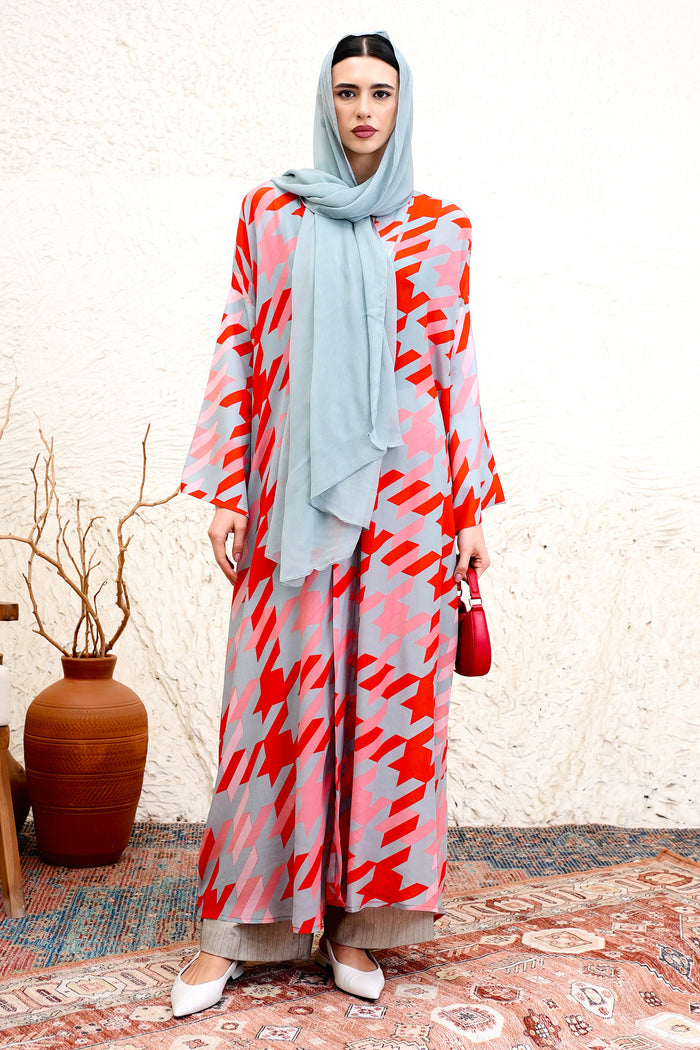
Understanding the Kaftan
A kaftan is a long, flowing robe that comes from places like North Africa, the Ottoman Empire, and areas of the Middle East. It has broad sleeves, a loose fit, and expensive fabrics that are sometimes embroidered, beaded, or belted to show off the waist.
The kaftan is now a popular style all over the world and is especially popular for holidays in the GCC.
Why Kaftans Are Popular for Weddings
- Elegant silhouettes: Many kaftans have belted waists or tiered motifs that give them a royal aspect.
- Luxurious fabrics: Silk, satin, velvet, and brocade are common textiles for wedding-ready clothes.
- Statement embellishments: Beading, metallic embroidery, and crystals are some of the things that make these statement pieces great for evening events.
- Versatility: A kaftan can be anything from simple and stylish to elaborately decorated and high-end.
Because of this, a lot of fashion houses in the area now have designer wedding kaftan Dubai collections that are made just for fancy events.
Best Occasions for a Kaftan
- Ceremonies or receptions at night or over the weekend
- Henna nights or engagement parties
- Dubai or Abu Dhabi are great places for luxury vacation weddings.
A kaftan is frequently the best choice if the dress code for the wedding is glamorous or high-fashion.
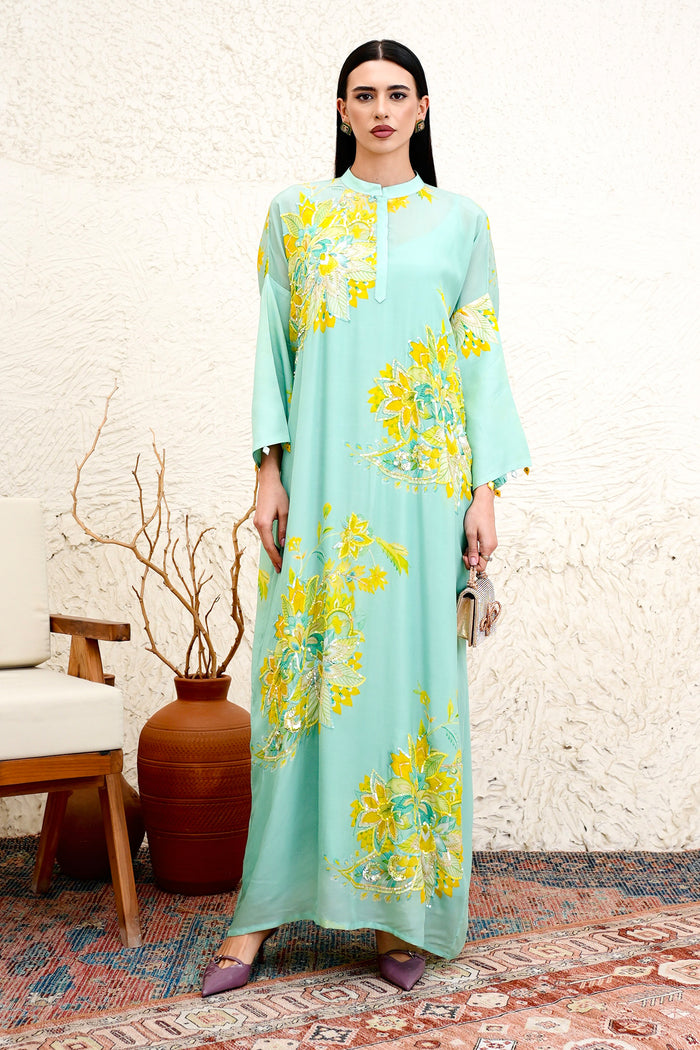
Understanding the Jalabiya
The jalabiya, which can also be spelt 'jalabiya' or 'jellabiya', is a loose-fitting traditional dress that many people in the Middle East and North Africa wear. The garment is usually ankle-length, has long sleeves, and is made of flowing fabric. It has been linked to Egypt and the areas around it in the past.
In the Gulf region, women's jalabiyas have changed into fashionable clothes that mix traditional styles with modern embroidery and high-end fabrics.
Why Jalabiyas Are Loved for Weddings
- Comfort and modesty: The flowy shape covers everything while yet letting air flow through.
- Cultural authenticity: Jalabiyas show the history and traditional beauty of the area.
- Modern designs have decorative features like Swarovski crystals, zari embroidery, and complicated beadwork.
- They can be worn for both informal and formal events, depending on the fabric and decorations.
Many families in Saudi Arabia, Kuwait, and the UAE still trust jalabiyas as a modest wedding-dress option for Middle Eastern celebrations.
Best Occasions for a Jalabiya
- Weddings or afternoon parties with family
- Ceremonies for weddings that are cultural or traditional
- Get-togethers before the wedding, including Eid parties or engagement meals
A jalabiya strikes a nice mix between tradition and style, which is why many ladies in the UAE pick it for small events like weddings.
Kaftan vs. Jalabiya: Key Differences
The key differences between a kaftan and a jalabiya are their structure, style, and the event they are worn to.
1. Shape and Fit
- Kaftan: Usually has a more stylish look with structured belts, big sleeves, and layers of cloth.
- Jalabiya: Usually loose and comfortable, with the main goal of covering up without being too revealing.
2. Level of Formality
- Kaftan: People often think it's more glamorous and better for fancy wedding receptions.
- Jalabiya: Depending on the design, it can be elegant but also a little more traditional and casual.
3. Cultural Influence
- Kaftan: It has strong ties to North African and Ottoman dress, but it is also popular in high-end fashion around the world.
- Jalabiya: is a style that has deep roots in the traditions and heritage of areas of the Middle East and Africa.
4. Styling Potential
- Kaftan: Looks great with bold jewellery, shiny heels, and statement belts.
- Jalabiya: looks best with traditional accessories, embroidered slippers, and delicate jewellery.
Which One Should You Choose for a GCC Wedding?
The best decision depends on the sort of wedding, your own taste, and the dress code.
Pick a kaftan if
- The wedding is a fancy celebration at night.
- You want an outfit that makes a statement with bold details.
- You're going to a big party in Dubai, Abu Dhabi, or Riyadh.
- You are thinking of getting a luxury wedding kaftan in Dubai to look gorgeous.
Choose a Jalabiya if:
- The wedding is a familial or traditional event.
- Comfort and a little bit of coverage are important.
- The event happens throughout the day or in a more cultural atmosphere.
- You like simple, elegant wedding clothes that aren't too flashy, like Middle Eastern trends.
Styling Tips for Wedding Guests in the Gulf
Whether you choose a kaftan or a jalabiya, styling can elevate your look.
Accessories
- Wear gold or pearl jewellery with your attire.
- Choose decorated clutches or regular handbags.
Footwear
- Kaftans look great with metallic heels.
- Jalabiyas look good with embroidered flats.
Layering
- Light shawls or matching hijabs make you look more elegant and modest.
These possibilities for how to style your wedding guest outfit make it look polished, which UAE fashion aficionados like.
Final Verdict: Kaftan or Jalabiya?
Both clothes show how beautiful Middle Eastern fashion is, although neither is "better" in a strict sense. Instead, they are made for different types of weddings and styles.
- Kaftan: The best choice for weddings that are fancy and make a statement.
- Jalabiya: Perfect for traditional events and timeless, modest style.
Many ladies in the GCC retain items in their closets for modern weddings. They wear a fancy kaftan to big parties and a finely embroidered jalabiya to family or cultural occasions.
In the end, whether you choose a kaftan or a jalabiya, you'll be wearing a style that shows how modest wedding fashion has changed and grown more sophisticated throughout time in Middle Eastern cultures.
FAQs
Q1. What is the main difference between a kaftan and a jalabiya?
A: The design and style are the key differences. A kaftan usually has a more structured and trendy shape, with belts, dramatic sleeves, and rich fabrics that are good for formal gatherings. A jalabiya, on the other hand, is usually looser and more relaxed. It is elegant but also focuses on comfort, humility, and cultural heritage.
Q2. Is a kaftan suitable as a wedding guest outfit in the UAE?
A: Yes, a kaftan is a very fashionable costume for people who love fashion in the UAE to wear to weddings. Many women choose embellished or designer versions made of silk, satin, or velvet to look gorgeous during high-end weddings in Dubai and Abu Dhabi.
Q3. Can a jalabiya be worn to formal weddings in the Middle East?
A: Absolutely. You can wear a jalabiya to weddings, especially family or traditional ones. Modern styles have exquisite embroidery, beads, and rich fabrics, which make them perfect for modest wedding clothes for Middle Eastern celebrations while being true to the culture.


