 Skip to content



A Complete Guide to Choosing Indian Wedding Outfits for Women
By Archana Shah
An Indian wedding is rarely a single event. It is a run of celebrations, from a sunny Haldi to a late-night Sangeet and a formal reception, and each one has its own mood, dress expectations and pace. That is why no single outfit works for every function. The right choice depends on the occasion, the dress code, the venue, the time of day, the fabric, the silhouette, how comfortable you will be, and what feels like you. Sarees, designer lehengas, kurta sets, shararas and contemporary Indian outfits can all be right, depending on where and when you are wearing them. This guide explains how to choose an Indian wedding outfit based on the ceremony, your personal style, comfort and the overall setting.
Table of contents
- How to Choose the Right Indian Wedding Outfit
- Indian Wedding Outfits for Women: Which Style Should You Choose?
- What to Wear to Each Indian Wedding Function
- What Should You Wear Based on Your Role in the Wedding?
- What Should a Bridesmaid Wear to an Indian Wedding?
- How to Choose the Right Colours for an Indian Wedding
- How Fabric Can Change Your Wedding Look
- Designer Lehenga vs Kurta Set: Which Is Right for You?
- How to Style Your Indian Wedding Outfit
- Choose Your Outfit Based on Your Personal Style
- Indian Wedding Outfit Guide at a Glance
- How to Choose a Comfortable Indian Wedding Outfit
- Common Indian Wedding Outfit Mistakes to Avoid
- How to Choose an Indian Wedding Outfit You Can Rewear
- 7 Indian Wedding Outfit Formulas
How to Choose the Right Indian Wedding Outfit
Start with the function, then the dress code, then the time and venue. Once those are clear, choose a fabric and silhouette that suit the setting, and check that you can sit, walk and dance in the outfit for several hours. Style and personal taste come last, not because they matter least, but because they work best inside those boundaries.
Which function are you attending?
Each celebration has its own character:
- Haldi: Daytime, informal and often outdoors. Think bright, light and easy.
- Mehendi: Relaxed and playful, usually with a lot of sitting. Colourful, comfortable outfits work best.
- Sangeet: Evening, musical and energetic. Expect dancing, so movement matters as much as glamour.
- Wedding ceremony: The most traditional event, often with rituals and long hours. Richer fabrics and classic silhouettes suit it.
- Reception: Formal and polished, usually in the evening.
- Cocktail events: Modern and social. The dress code is often more fashion-forward.
What does the dress code mean?
Invitations often hint at a dress code, even when it is not stated outright.
- Traditional: Sarees, lehengas and richly worked kurta sets in classic colours.
- Formal: Structured, refined outfits with considered detailing.
- Contemporary: Modern cuts, clean lines and a lighter hand with embellishment.
- Cocktail: Polished, evening-appropriate and a little more experimental. Cocktail attire for an Indian wedding is a dressy, modern evening look. It can be Indian, Indo-Western, or a blend of both.
- Destination wedding: Plan for climate and travel. Lighter, crease-resistant outfits that pack well are practical.
If you are unsure, ask the hosts or a family member. A quick message saves a lot of second-guessing.
How do time and venue change your outfit?
Daytime celebrations suit softer colours, lighter fabrics, minimal shine and relaxed silhouettes. Evening events can take deeper tones, richer fabrics, metallic detailing and more structure.
Venue matters too. A garden lawn calls for lighter fabrics and flat or block-heeled footwear. A banquet hall can take heavier work. A beach or hill-station wedding rewards breathable fabrics and outfits that do not trail on the ground.
Season matters as much as the hour. In summer, breathable fabrics such as cotton blends and organza in lighter colours keep you cool. In winter, silks and richer textures feel natural, and a jacket or cape-style dupatta adds warmth without bulk. Indoor venues with air conditioning can run cold, so carry a light layer.
Why does comfort matter so much?
Indian wedding events are long. You may sit through rituals, walk across uneven ground, dance for an hour and make several outfit-friendly trips to the buffet. An outfit that looks lovely in the mirror but restricts your movement can wear you down by the second hour.
This is where our comfort-first, fuss-free approach to dressing comes from at Archana Shah. A wedding outfit does not have to be heavily embellished to feel occasion-appropriate. A well-considered silhouette, beautiful fabric, and thoughtful detailing can create a polished look while allowing you to move comfortably through a long celebration.
How do fabric and silhouette shape the look?
Fabric decides how an outfit falls, how much it weighs, and how it photographs. Silhouette decides how it moves. A flared lehenga skirt, a straight kurta, wide-legged shararas, and a draped saree each behave differently when you walk, sit, or dance. Choose a combination that suits the event and your body, and look closely at the lining, waistband, and weight.
Which silhouette reflects your style?
Silhouette is where personal style shows up most clearly.
- Fitted: Sleek and defined. Suits receptions and cocktail events, but check that you can sit and breathe easily.
- Fluid: Soft, drapey and easy. Works well for day events and anyone who wants relaxed movement.
- Structured: Crisp lines, tailored jackets and clean shapes. A natural fit for modern, polished looks.
- Layered: Jackets, capes and overlay dupattas add dimension without extra embellishment.
- Voluminous: Full lehenga skirts and wide shararas make a statement and look striking in motion.
Indian Wedding Outfits for Women: Which Style Should You Choose?
Most Indian wedding outfits for women fall into five categories: sarees, designer lehengas, kurta sets, sharara sets, and contemporary Indian or Indo-Western outfits. Here is when each one works best.
Are sarees right for an Indian wedding?

Yes. A saree is one of the most dependable choices for a wedding ceremony or reception. Silk and richly woven sarees suit traditional ceremonies, while lighter, more contemporary drapes work well in the evening. Pre-stitched or belted drapes and relaxed pallu styling can make the day easier without losing the look. Keep jewellery in proportion: heavily worked borders pair well with simpler earrings, and plainer sarees can carry a statement necklace. You can browse our designer shimmer sarees for a sense of how modern drapes and handcrafted detailing work together.
When should you wear a designer lehenga?
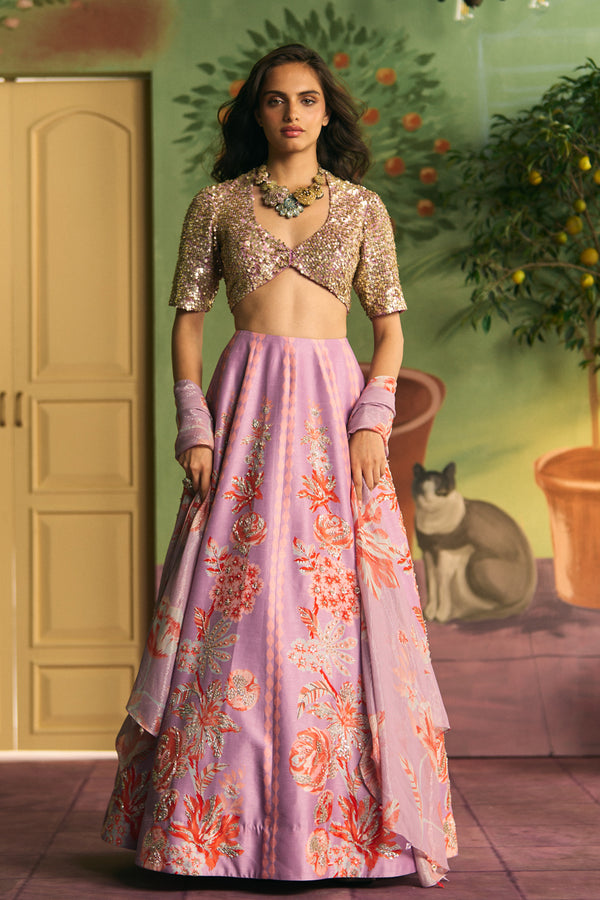
A designer lehenga is a three-piece outfit, with a skirt, blouse, and dupatta, created with considered design, detailing, or craftsmanship. It works best when you want a statement: a Sangeet, a wedding ceremony, a reception, or any formal celebration. A designer lehenga can be an ideal choice when the celebration calls for a more statement-led look, particularly an evening wedding or Sangeet. It is also flexible enough to dress up or down. A softly flared lehenga with light work can feel graceful in the daytime, while a heavier, structured one suits an evening. Weight and construction matter, so check the skirt's flare and the blouse's fit before you commit. Our lehengas are cut with movement in mind.
Are kurta sets a good wedding choice?
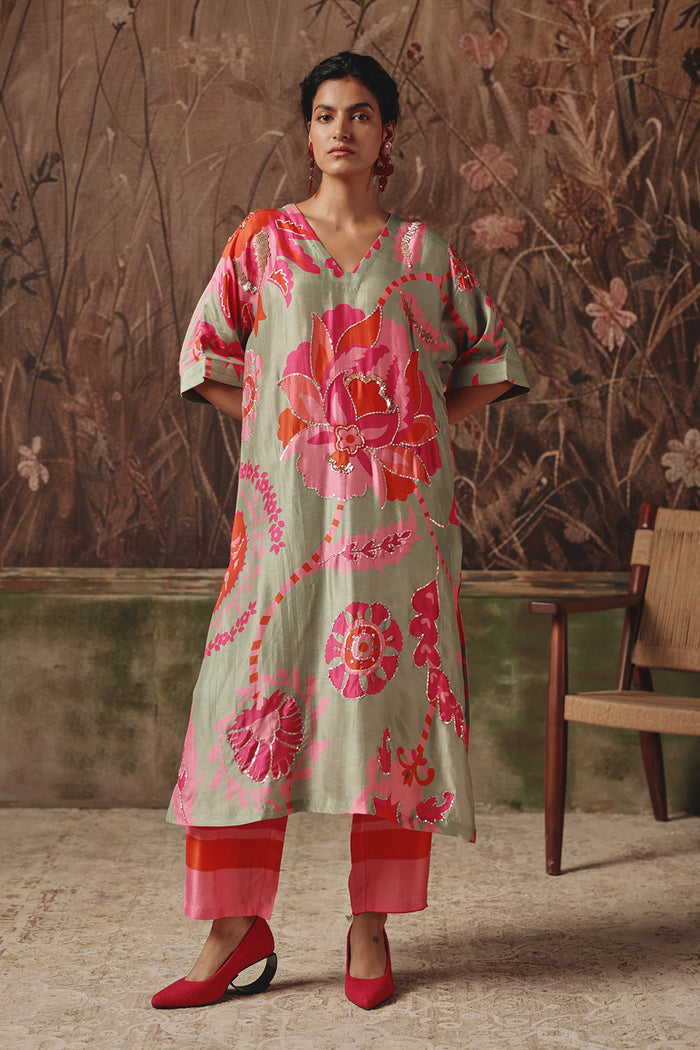
Absolutely. A well-cut kurta set is comfortable, easy to move in and graceful enough for many family celebrations. Silk kurta sets are especially useful for day weddings and ceremonies, where you want something traditional that is easy to wear for hours. A silk kurta with a matching dupatta and the right jewellery can look every bit as festive as a lehenga. For women who prefer an elegant outfit with easier movement, silk kurta sets offer a polished alternative to heavier occasion wear. See designer kurta setsfor ideas on cuts and details.
Can you wear a sharara to a wedding?
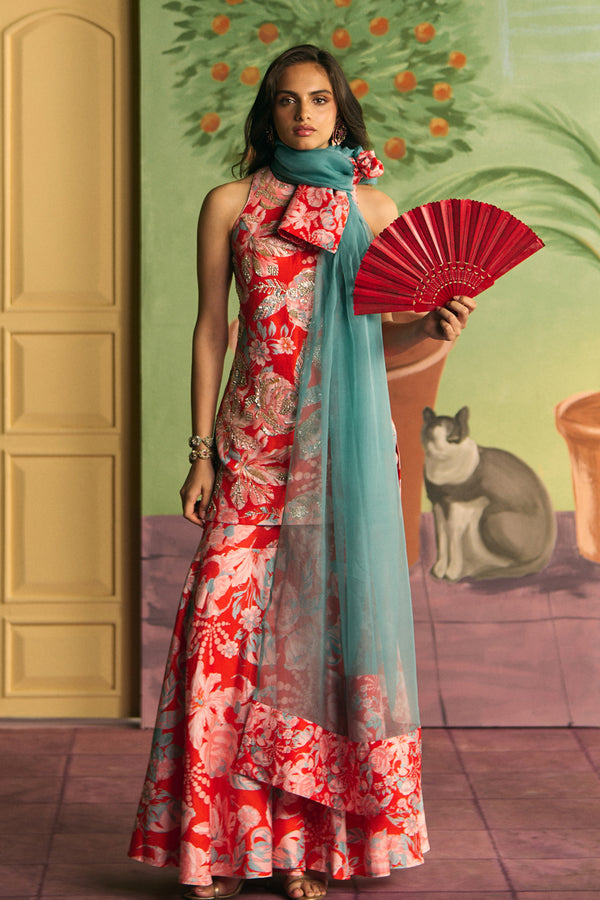
Yes. Shararas are one of the most practical festive silhouettes. The wide-legged shape lets you walk, sit and dance with ease, and a sharara set pairs well with a short or long kurta, a dupatta and statement earrings. They suit Mehendi, Sangeet and most festive daytime events, and the right fabric and detailing can make them wedding-ready too. Browse sharara sets for styling ideas.
What are contemporary Indian and Indo-Western outfits?

These are outfits that take traditional Indian elements, such as embroidery, handwork, dupattas and draping, and present them in modern cuts. Examples include a saree-style gown, a jacket with a lehenga skirt, a cape-style dupatta and a structured kurta with tailored trousers. They suit receptions, cocktail events and women who prefer a lighter, more modern look.
What to Wear to Each Indian Wedding Function
What is a good Haldi outfit for women?
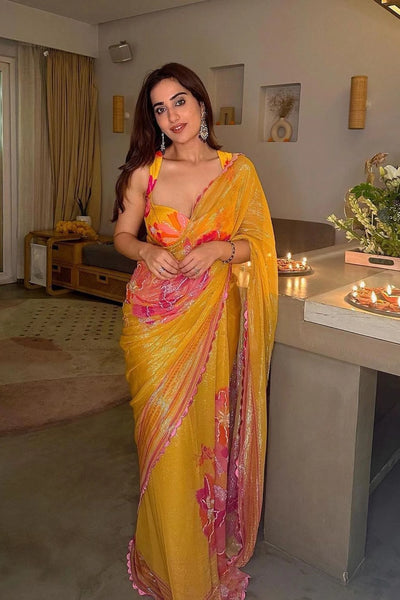
A Haldi outfit is a bright, comfortable look worn for the turmeric ceremony, usually in the daytime and often outdoors. Yellow is the classic choice, but green, pink and orange are all lovely, as are soft pastels with floral details. Choose lightweight fabrics that will not feel heavy in the sun, and expect some turmeric to land on you, so avoid anything precious.
A floral lehenga works well for a daytime Haldi or Mehendi when you want a festive but lighter look. Look for gentle embroidery or printed florals, a flared but manageable skirt, and a breathable blouse. Kurta sets and shararas are good alternatives if you want to keep it even easier. Browse our Haldi-friendly outfits for colour and fabric ideas.
Haldi outfit ideas to consider:
- Floral lehenga: Festive and light, with soft embroidery or prints.
- Kurta set: Easy, comfortable, and simple to accessorise.
- Sharara: Wide and relaxed, good for sitting on the floor and moving freely.
- Lightweight saree: A pre-draped or simply draped saree in a soft fabric works for a more traditional take.
What should you wear to a Mehendi?
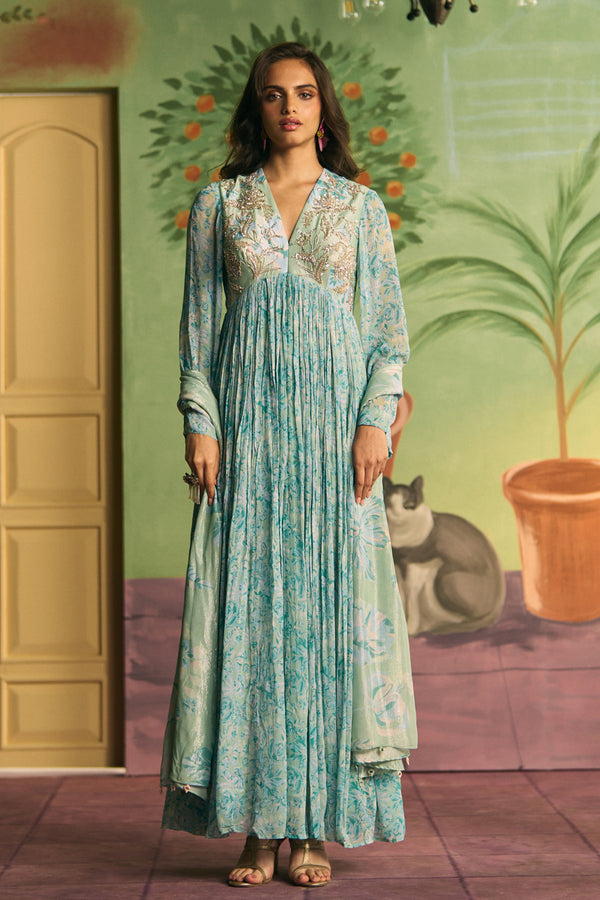
Mehendi is playful and relaxed, and you may be seated for long periods with your hands out. Floral prints, colourful kurta sets, shararas and lightweight lehengas are good choices. Choose a dupatta you can pin or drape easily, and wear comfortable footwear such as juttis or flat sandals. For a daytime Mehendi, a floral lehenga or lightweight sharara can offer festive colour while keeping the overall look comfortable.
What should you wear to a Sangeet?
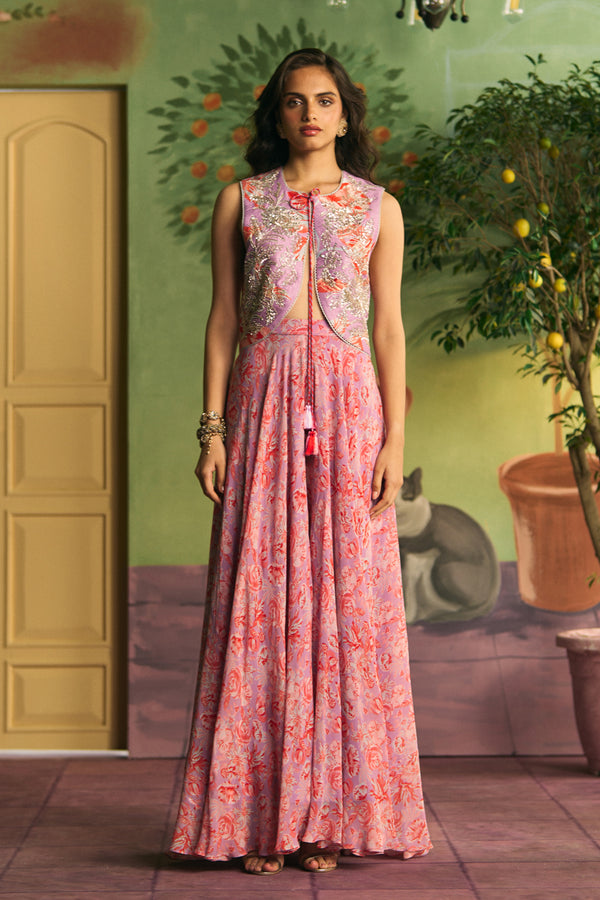
A woman deciding what to wear to a Sangeet may consider a designer lehenga, a sharara, a statement kurta set or a contemporary Indian outfit. If dancing is part of the evening, the weight, fit and movement of the outfit become just as important as its visual impact. Evening glamour can come from metallic detailing, rich colours, mirror work or sequins, but the outfit should still let you lift your arms and spin without a second thought.
What should you wear to a Sangeet if you plan to dance?
Choose a lightweight lehenga with a flared skirt, a sharara set or a statement kurta set with a good-fit waistline. Avoid heavy, restrictive embellishment and long, trailing dupattas. Pair it with block heels or comfortable embellished flats, and keep jewellery secure so you can dance without adjusting it.
What should you wear to the wedding ceremony?
The ceremony is the most traditional event, so classic silhouettes and richer fabrics work well. Sarees, designer lehengas, sharara sets and silk kurta sets are all appropriate, particularly in handwoven or hand-embroidered fabrics. Jewellery can be fuller here, such as a necklace with matching earrings or traditional bangles. Because ceremonies often run long, comfort still matters: choose an outfit you can sit in for hours. You can see more in our wedding collection.
What should you wear to a wedding reception or cocktail event?
Receptions are formal, polished, and usually held in the evening. Cocktail attire for an Indian wedding is a refined, modern evening look, and it does not have to be Western. It can include contemporary sarees, modern lehengas, Indo-Western outfits, statement kurta sets, and structured Indian silhouettes. A tailored jacket with a lehenga skirt, a draped saree with a clean blouse, or a metallic kurta set with trousers all work. Aim for a look that is crisp, modern, and a little understated.
What Should You Wear Based on Your Role in the Wedding?
Your role changes how much emphasis your outfit should carry. The guidance below applies on top of the function and dress code.
What should a wedding guest wear?
A wedding guest outfit is an outfit chosen to suit the celebration while keeping the couple at the centre. Aim for elegance without overshadowing the bride: avoid bridal red and all-white, and keep embellishment lighter than the bride's. A well-cut saree, kurta set, or lightweight lehenga in a soft jewel tone works well for most guest roles.
What should a close family member wear?
Close family members usually dress a little more elaborately, with traditional silhouettes and richer fabrics. Sarees, silk kurta sets and designer lehengas in warm, classic colours suit the ceremony. Check the colour plans with other family members so your outfits complement each other.
What should a bridesmaid wear?
Bridesmaids have their own styling logic, covered in the next section.
What Should a Bridesmaid Wear to an Indian Wedding?
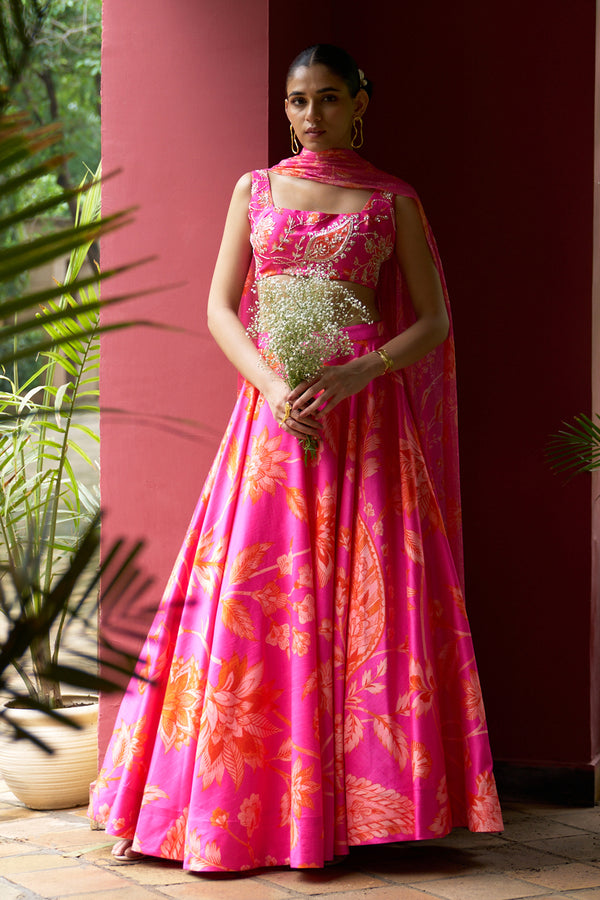
A bridesmaid should wear something that coordinates with the wedding's colour palette, looks different from the bride's outfit, and lets her move comfortably through the day. A bridesmaid's lehenga is the most popular choice, though some brides also pick sarees, shararas, or kurta sets.
How do you choose a bridesmaid's lehenga?
- Check the palette first: Ask the bride for her colour direction before you shop.
- Match or complement: Matching colours look cohesive in photographs, while complementary shades let each bridesmaid feel more individual.
- Watch the embellishment: Keep it lighter than the bride's. This also helps you stay comfortable.
- Think about movement: You may be dancing, carrying things, and standing for photos.
- Stay true to your style: Choose a silhouette you feel good in.
Our lehengas include softer, lighter options that suit this role.
Which colours should bridesmaids wear?
Start with the wedding palette and stay within it. If the bride has chosen blush, sage and gold, bridesmaids might wear blush in different shades, or sage with gold accents. Soft, muted tones are easier to coordinate across several people and photograph well together. Avoid anything that competes with the bridal colour, and ask before choosing white, ivory or deep red.
How do you style a bridesmaid's lehenga?
Avoid looking identical to the bride. Choose a softer tone, simpler detailing, and a different dupatta drape. Keep jewellery balanced, perhaps statement earrings with a slim necklace, and add comfortable heels or embellished flats. A few matching details, such as the same colour in the dupatta or bangles, can tie the group together without making everyone look uniform.
How to Choose the Right Colours for an Indian Wedding
Colour expectations can differ across communities, regions and families. Some families avoid certain colours at particular ceremonies, so consider the specific wedding setting and check if you are unsure.
Which colours suit day weddings?
Pastels, soft pinks, sage, ivory-and-gold, powder blue and muted corals feel fresh in daylight.
Which colours suit evening weddings?
Deep jewel tones such as emerald, wine, midnight blue and rich teal work well, along with gold and metallic accents.
Which colours suit Haldi and Mehendi?
Yellow, orange, green, bright pink and floral prints suit Haldi. Mehendi allows playful colour, from greens and corals to multicolour prints.
Which colours suit a Sangeet?
Bold shades, rich jewel tones, metallics and dramatic contrasts all work well in the evening.
Which colours suit the wedding and reception?
Classic tones such as maroon, ivory, gold and deep greens suit the wedding. Receptions allow richer, more modern shades, from black and navy to metallics. Avoid red or all-white unless you are sure it is acceptable.
How Fabric Can Change Your Wedding Look
Silk
Look: Rich, luminous and classic. Feel: Smooth and substantial. Occasion: Ceremonies, family functions and festive evenings. Styling: Silk kurta sets and silk sarees pair well with traditional jewellery, a coordinated dupatta and juttis or heels.
Organza
Look: Light, crisp and slightly sheer. Feel: Airy and structured. Occasion: Daytime events, Mehendi and receptions. Styling: Works well for dupattas and flared skirts. Wear it with a well-fitted blouse and light jewellery.
Crepe
Look: Clean and fluid. Feel: Soft with a good drape. Occasion: Receptions, cocktail events and contemporary looks. Styling: Pair a crepe sharara or kurta set with statement earrings for an easy, polished outfit.
Cotton and lightweight textiles
Look: Soft and relaxed. Feel: Breathable and easy. Occasion: Haldi, Mehendi and summer weddings. Styling: Keep accessories simple and choose a gentle drape.
Embellished fabrics
Look: Eye-catching and festive. Feel: Heavier, depending on the work. Occasion: Sangeet, receptions and evening celebrations. Styling: Let the outfit lead and keep other details minimal.
Designer Lehenga vs Kurta Set: Which Is Right for You?
| Factor | Designer Lehenga | Kurta Set |
|---|---|---|
| Best suited for | Sangeet, wedding, reception | Haldi, Mehendi, wedding |
| Visual impact | High | Moderate–High |
| Movement | Depends on construction | Generally easier |
| Styling | More elaborate | More versatile |
| Rewear potential | Depends on design | Often versatile |
These are general guidelines. A lightweight lehenga can be very comfortable, and a richly worked kurta set can be a statement. If you want a dramatic entrance and plan to dance in a well-constructed outfit, a lehenga is a good choice. If you want something graceful, easy and repeatable, a kurta set is hard to beat.
How to Style Your Indian Wedding Outfit
Jewellery
Pick one focal point. Heavy necklace, simpler earrings; statement earrings, a slim chain. Bangles can balance a plainer outfit.
Footwear
Juttis and flats suit Mehendi and daytime events. Block heels are steadier on lawns and dance floors. If you are wearing a long outfit, try the shoes with the hem beforehand.
Dupatta
Pin it in place. A lightweight drape is easier to manage than a heavy one, and a one-shoulder or belted style keeps it secure while dancing.
Bags
A small potli or clutch is enough. Keep it light and bring only essentials.
Hair and makeup
Let your outfit guide you. Soft waves or a low bun suit lighter outfits, while sleek styles show off embroidered necklines. Choose makeup that lasts through photos and heat.
Choose Your Outfit Based on Your Personal Style
For the classic dresser
A saree or a silk kurta set in a traditional colour never goes out of style.
For the glamorous guest
A designer lehenga with rich detailing and statement jewellery makes an entrance.
For the romantic dresser
A floral lehenga in soft shades and gentle embroidery is graceful and light.
For the comfort-first dresser
Kurta sets and shararas give you freedom of movement without sacrificing polish.
For the contemporary dresser
Indo-Western silhouettes and modern Indian wear let you wear tradition your way.
For the bridesmaid
A bridesmaid lehenga in the wedding palette, softer than the bride's, with some personal styling.
Indian Wedding Outfit Guide at a Glance
| Function | Outfit Options | Style Direction |
|---|---|---|
| Haldi | Floral lehenga, kurta set | Bright, fresh & comfortable |
| Mehendi | Sharara, floral lehenga | Playful & relaxed |
| Sangeet | Designer lehenga, sharara | Glamorous & movement-friendly |
| Wedding | Saree, lehenga, silk kurta set | Traditional & elegant |
| Bridesmaid | Bridesmaids lehenga | Coordinated & contemporary |
| Reception | Saree, modern lehenga | Refined |
| Cocktail | Contemporary saree, Indo-Western outfit | Modern & polished |
How to Choose a Comfortable Indian Wedding Outfit
Comfort begins with fit. The waistband, armholes, and neckline should stay put when you sit, raise your arms, and dance. Weight matters next: a lehenga skirt that feels fine in the shop can feel very heavy by hour three. Choose breathable fabrics for warm weather, check that the lining is smooth against your skin and make sure you can sit and stand easily.
Footwear and dupatta management are part of the same equation. Break in shoes beforehand, and decide how your dupatta will be pinned or draped. Consider the length of the celebration too. A Haldi might be two hours; a wedding day can be ten.
Archana Shah approaches occasion dressing with a focus on comfort, fuss-free silhouettes and handcrafted details, reflecting a contemporary way of wearing Indian fashion. Festive dressing does not have to feel restrictive, and the aim is clothing that looks considered while letting you enjoy the day.
Common Indian Wedding Outfit Mistakes to Avoid
- Choosing an outfit that is too heavy. Test the weight before you commit.
- Ignoring the function. A Sangeet look is not a Haldi look.
- Ignoring the dress code. Check the invitation or ask the hosts.
- Wearing uncomfortable footwear. Break them in or carry flats.
- Choosing the wrong fabric for the weather. Match fabric to season and venue.
- Over-accessorising. Choose one focal point.
- Ignoring movement. Sit, walk and twirl in it before the day.
- Choosing something that cannot be reworn. Think beyond one event.
A ninth mistake is easy to make: copying a trend without asking whether it suits you. A look that works on someone else's feed may not suit your build, the weather or the venue. Choose the trend only if it also feels like you.
How to Choose an Indian Wedding Outfit You Can Rewear
Classic silhouettes and versatile colours are your best allies. A kurta set in a deep, timeless shade can be worn again with different jewellery and dupattas. A lehenga skirt in a plain colour can pair with other blouses and dupattas. Silks and well-made fabrics tend to age well.
Heavy embellishment makes a statement but is harder to repeat. Lighter work gives you more flexibility. Think of your outfit as a set of separates: a dupatta, a blouse, a skirt or a kurta that can each be styled differently. That kind of timeless, versatile dressing is central to how we design at Archana Shah.
Reusable dupattas are another quiet advantage: a good dupatta can change the look of a plain kurta set or lehenga skirt. Timeless silhouettes and breathable, well-made fabrics also make an outfit season-agnostic. A kurta set in a classic shade can go from a summer day wedding to a winter family function with a change of layer and jewellery.
7 Indian Wedding Outfit Formulas
- Haldi outfit: Floral lehenga + minimal jewellery + comfortable footwear
- Mehendi outfit: Floral or printed outfit + statement earrings + juttis
- Sangeet outfit: Designer lehenga + statement earrings + block heels
- Wedding ceremony: Silk kurta set + dupatta + traditional jewellery
- Bridesmaid look: Bridesmaids lehenga + coordinated jewellery + comfortable heels
- Reception look: Contemporary saree + statement jewellery + clutch
- Cocktail look: Modern Indian silhouette + metallic accessories + heels
Final Thoughts: Choose an Outfit That Feels Like You
There is no single formula for Indian wedding dressing. The best outfit balances the celebration, dress code, comfort, and personal style, and it is not necessarily the most elaborate one. Choose something suited to the function, comfortable enough to enjoy the day in, and made with fabrics and craftsmanship you appreciate. From a floral lehenga for a daytime Mehendi to a designer lehenga for the Sangeet or a silk kurta set for an elegant wedding look, the right choice balances occasion and ease. Archana Shah approaches Indian occasion dressing through timeless design, Indian craftsmanship, contemporary silhouettes, and a comfort-first philosophy, offering modern ways to wear tradition.
FAQs
Q1. What should women wear to an Indian wedding?
It depends on the function. Haldi and Mehendi call for bright, comfortable outfits such as floral lehengas or kurta sets. Sangeet suits designer lehengas or shararas. The ceremony suits sarees, lehengas, or silk kurta sets, and the reception calls for something more polished.
Q2. What is a good Haldi outfit for women?
A good Haldi outfit is bright, lightweight, and comfortable. Yellow, green, pink and orange all work, as do floral lehengas, kurta sets and shararas. Choose fabrics that breathe and avoid anything too precious, since turmeric may stain.
Q3. Can I wear a designer lehenga as a wedding guest?
Yes, a designer lehenga is a popular guest choice, especially for a Sangeet, wedding, or reception. Avoid colours reserved for the bride, such as bridal red, and choose lighter embellishment so you remain comfortable and distinct from the bridal party.
Q4. Is a floral lehenga suitable for an Indian wedding?
Yes, particularly for daytime events such as Haldi and Mehendi. A floral lehenga in soft or bright tones feels festive without being heavy. For a ceremony or evening event, choose richer fabrics and more refined floral work.
Q5. Are silk kurta sets appropriate for weddings?
Yes. Silk kurta sets are suitable for ceremonies, family functions, and day weddings. They are comfortable, elegant, and easy to style with traditional jewellery. Choose rich colours and a coordinating dupatta for a more festive look.
Q6. What should I wear to a Sangeet?
Wear something you can dance in. A designer lehenga, sharara set, or statement kurta set works well. Choose evening colours or metallic details, keep the outfit light, and pair it with block heels or comfortable flats.
Q7. What is cocktail attire for an Indian wedding?
Cocktail attire for an Indian wedding is a polished, modern evening look. It can include a contemporary saree, a modern lehenga, an Indo-Western outfit, a statement kurta set, or a structured Indian silhouette. It does not need to be Western.
Q8. What should a bridesmaid wear to an Indian wedding?
A bridesmaid usually wears an outfit that coordinates with the wedding palette, such as a bridesmaid lehenga. It should look different from the bride's, be comfortable to move in, and feel like her own style.
Q9. Can I wear a sharara to an Indian wedding?
Yes. A sharara set is suitable for Mehendi, Sangeet, and many festive celebrations. With richer fabric and detailing, it can also work for a wedding ceremony. Its wide silhouette makes it easy to walk and dance in.
Q10. What is the most comfortable Indian wedding outfit?
Kurta sets and shararas are generally the most comfortable, thanks to their easy movement. Lightweight lehengas and well-draped sarees can also be comfortable. Look for breathable fabrics, a good fit, and manageable weight.


